
Essential Measures and Actions for Quick Response
In life, emergencies can strike unexpectedly, ranging from natural disasters to medical crises and everything in between. Being prepared and knowing how to respond effectively can make all the difference in minimizing damage and ensuring safety. Let’s explore the measures to be taken during emergencies and the actions to implement for a swift and coordinated response.
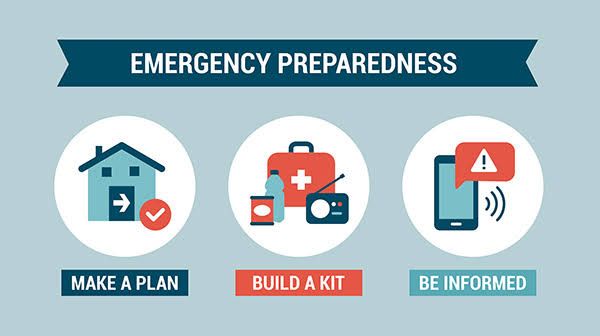
Understanding Emergency Preparedness:
1. Stay Informed: Stay updated with local emergency alerts, weather forecasts, and news updates to anticipate potential emergencies and take proactive measures.
2. Create an Emergency Plan: Develop a comprehensive emergency plan for your household or workplace, including evacuation routes, designated meeting points, and contact information for emergency services.
3. Prepare an Emergency Kit: Assemble an emergency kit containing essential supplies such as water, non-perishable food, first aid supplies, flashlights, batteries, and important documents.
Measures to Take During Emergencies:
1. Remain Calm: In the event of an emergency, it’s crucial to stay calm and composed. Panicking can cloud judgment and hinder effective decision-making.
2. Assess the Situation: Quickly assess the nature and severity of the emergency to determine the appropriate course of action. Prioritize safety and well-being above all else.
3. Follow Emergency Protocols: Follow established emergency protocols and procedures, whether it’s evacuating a building, seeking shelter, or administering first aid.
4. Communicate Effectively: Keep lines of communication open with family members, coworkers, and emergency services to coordinate responses and ensure everyone’s safety.
Actions to Implement for a Swift Response:
1. Evacuate Safely: If evacuation is necessary, leave the area promptly and calmly, following designated evacuation routes and avoiding elevators in case of fire or power outages.
2. Administer First Aid: If someone is injured or in distress, administer first aid and seek medical assistance promptly. Basic knowledge of CPR, wound care, and other first aid techniques can be invaluable in emergencies.
3. Use Emergency Equipment: Familiarize yourself with the operation of emergency equipment such as fire extinguishers, defibrillators, and emergency alarms, and use them as needed to mitigate risks and prevent further harm.
4. Assist Others: Extend a helping hand to those in need, including individuals with disabilities, elderly persons, or children, ensuring that everyone has the support and assistance they require.
Conclusion:
Emergencies can be unpredictable and daunting, but with proper preparation and swift action, their impact can be mitigated, and lives can be saved. By staying informed, developing emergency plans, and knowing how to respond effectively, individuals and communities can navigate emergencies with resilience and confidence.
Remember, in times of crisis, every second counts. Prioritize safety, stay vigilant, and be prepared to take decisive action when faced with emergencies. Together, we can build safer and more resilient communities where everyone can thrive, even in the face of adversity.
 FIT IS FABULOUS